
Restore an Individual Missing Tooth
Single-Tooth Dental Implants
Request an evaluation for individual tooth replacement. Get a Free Estimate
Losing a single tooth can create a noticeable gap, affect chewing and change how you feel about your smile. A single-tooth dental implant provides an artificial root that supports an individual replacement crown.
Unlike a conventional fixed bridge, an implant crown generally does not require the neighboring teeth to be reshaped for support. This can be particularly valuable when the teeth on either side of the gap are healthy.
We help people interested in individual tooth replacement connect with an independent dental provider. The contractor assesses the missing tooth location and explains whether an implant, conventional bridge or another treatment would be appropriate.
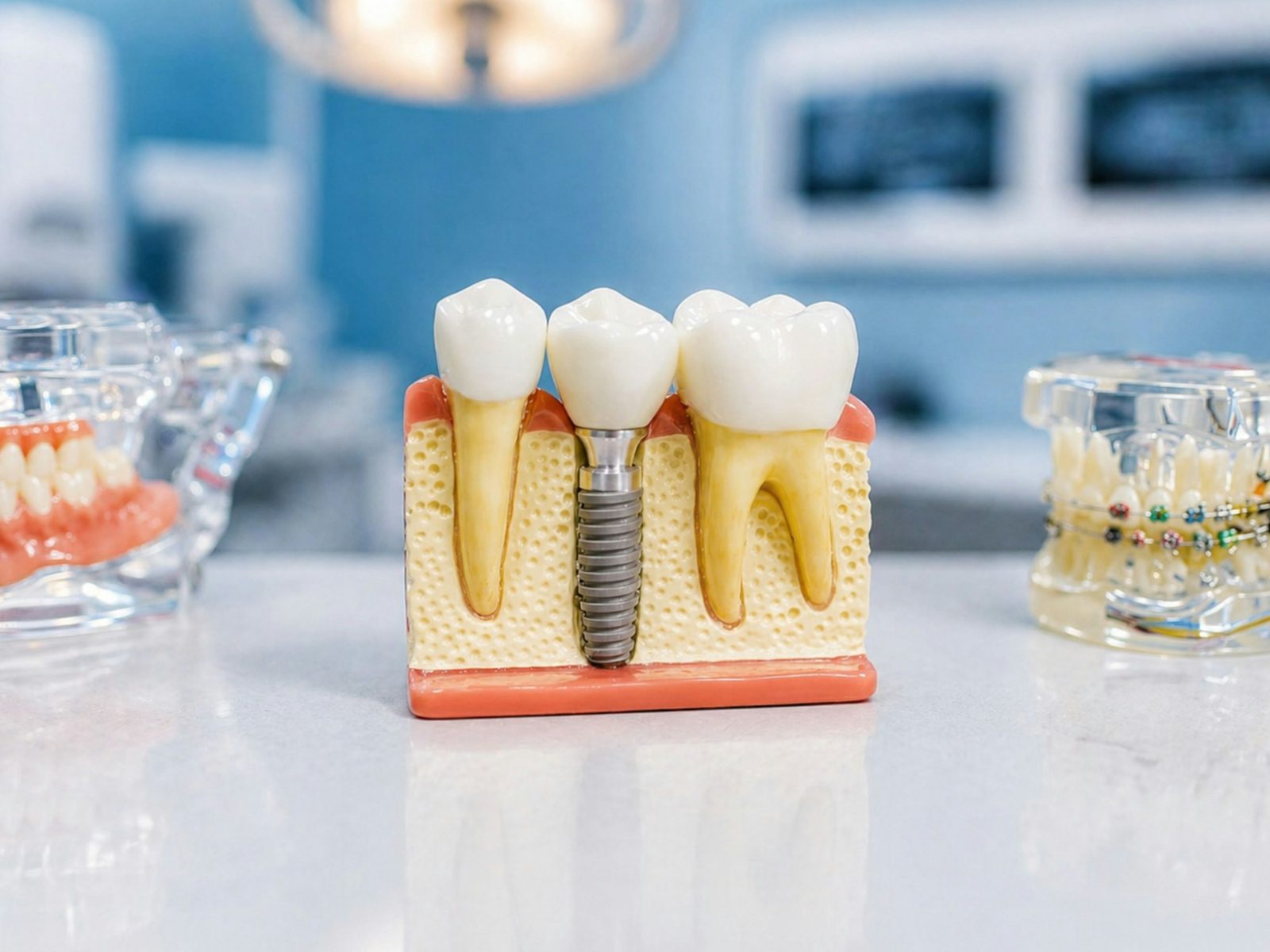
The position of the missing tooth influences nearly every aspect of individual implant treatment. Front teeth require careful attention to appearance and gum contours, while back teeth need to accommodate substantial chewing forces.
Replacing a visible front tooth involves more than matching the color of the surrounding teeth. The dental provider considers the shape of the replacement crown, the position of the gumline and the amount of supporting bone available. Small differences in implant positioning can influence the final appearance. Patients with thin gum tissues or bone loss may require additional procedures to improve the foundation for a natural-looking restoration. A temporary tooth can sometimes help maintain appearance during treatment. The appropriate temporary option depends on healing requirements and whether pressure on the implant site needs to be avoided.
Molars and premolars contribute significantly to chewing function. Losing one of these teeth can make it more difficult to process certain foods and may alter the distribution of forces across the remaining teeth. An implant-supported crown may restore function without relying on adjacent teeth for structural support. The provider must consider the available bone height and width, the position of nearby nerves or sinuses and the forces created by the patient's bite. Crown shape and contact with neighboring teeth also matter because poorly designed contacts can contribute to food trapping. These details influence comfort and long-term maintenance.
A missing tooth may result from a recent extraction or an older injury. When extraction is planned, the provider can assess whether immediate implant placement is possible or whether the site should heal first. Infection, bone damage and gum condition can influence that decision. Waiting before implant placement is sometimes the more appropriate approach. A healing interval may allow the provider to manage infection or prepare the site with grafting. During this period, a temporary replacement may be considered for appearance or function. The treatment sequence should be determined by clinical needs rather than a fixed promise about completion.
An implant crown may be attached using a screw-retained or cement-retained design. Each method has different considerations involving implant position, appearance, access and maintenance. The dental provider selects an approach that suits the planned restoration. Once the crown is in place, its bite contacts and relationship with neighboring teeth should be checked. Daily brushing and suitable cleaning between the teeth help maintain the surrounding gum tissues. Regular examinations allow the provider to identify inflammation, loosening or changes in the restoration. Although the crown cannot decay, the natural teeth next to it still need ordinary preventive dental care.
We help you begin a request specifically for an individual tooth rather than assuming you need extensive reconstruction.
The contractor can discuss implant-supported crowns alongside treatments that rely on adjacent teeth.
Your evaluation can address how the replacement tooth should look, feel and work within your existing bite.
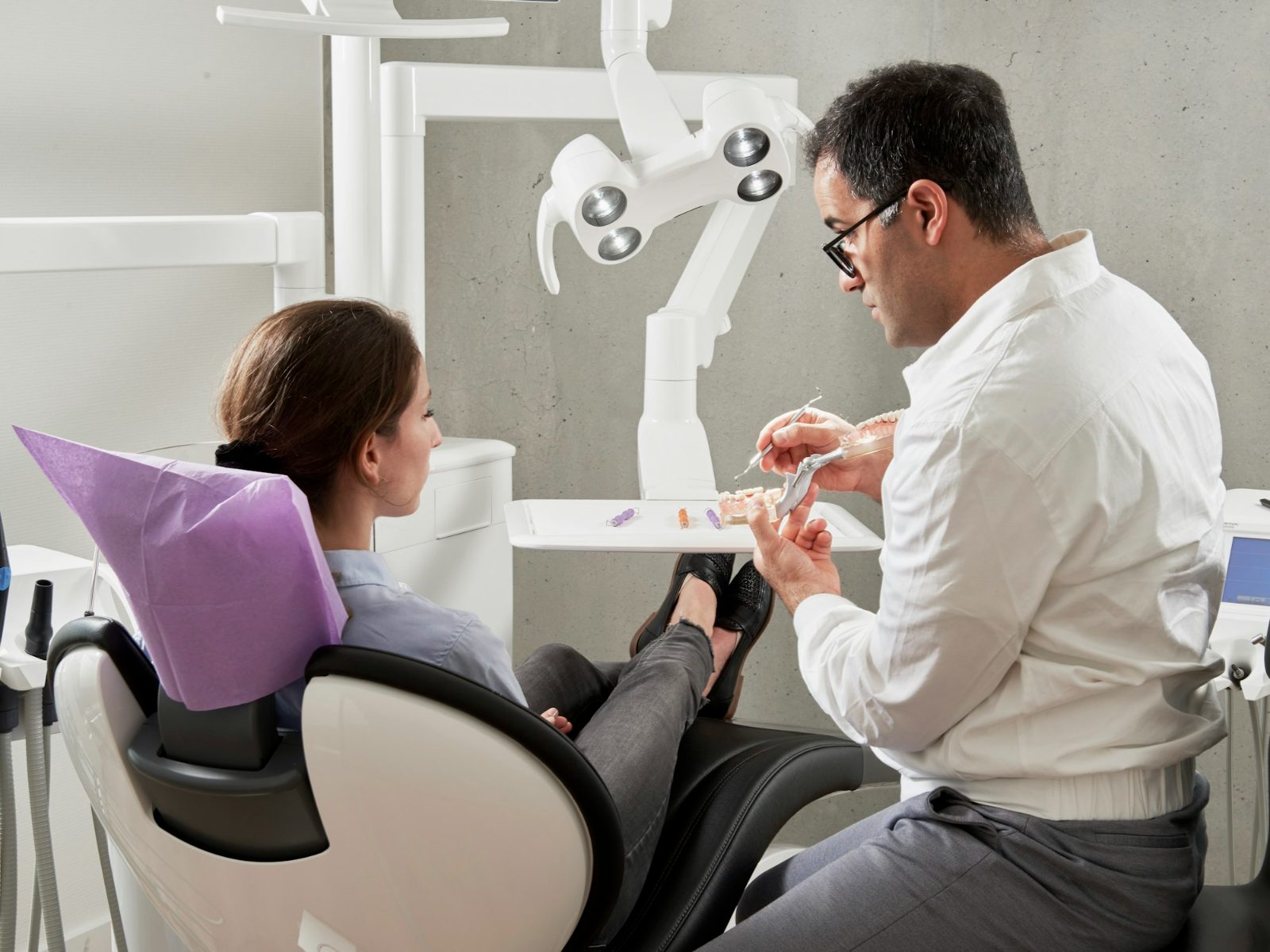
Start exploring a replacement for your missing tooth with an independent dental professional.
Free — no obligations
Tell us which part of your mouth is affected and whether the tooth has already been removed.
The provider arranges an examination to assess the gap, supporting tissues and neighboring teeth.
Review the implant plan, any necessary preparation and alternative treatments before deciding.
Following placement, the dental professional monitors the site and determines when restoration can proceed.

An appropriately planned implant generally does not require neighboring teeth to be reshaped. Accurate placement is important to avoid injury to nearby roots and supporting structures.
Temporary tooth replacement may be possible while the implant site heals. The provider will choose an option that balances appearance with protection of the surgical area.
Not necessarily. The need for replacement depends on chewing function, tooth position, bite relationships and your overall dental health.
A damaged or worn crown can often be replaced while retaining a healthy implant. The provider must first examine the implant and connecting components.