
Explore Permanent Tooth Replacement Options
Dental Implants in Glendale, AZ
Take the first step toward replacing missing teeth. Get a Free Estimate
Missing teeth can affect nearly every part of your day. Eating your favorite meals becomes more difficult, speaking may feel uncomfortable, and smiling in photographs might not come as naturally as it once did. Dental implants offer an alternative to traditional tooth replacement methods by providing a foundation for replacement teeth supported directly by the jawbone.
At glendaleazdentalimplants.com, we help people throughout Glendale explore their options by connecting them with independent local dental implant providers. Whether you are missing one tooth, several teeth or an entire arch, submitting a request is a straightforward way to begin the conversation.
Dental implant treatment is not the same for everyone. Your oral health, bone structure, medical history and personal preferences all influence which approach may be appropriate. The contractor, an independent dental provider, can evaluate these factors and explain the available treatment options.
From residents near Arrowhead Ranch to families around Historic Downtown Glendale, we make it easier to begin looking for a tooth replacement solution without having to navigate the entire process alone.
We understand that researching dental implants can quickly become overwhelming. Between unfamiliar terminology, different treatment methods and questions about recovery, knowing where to begin is not always easy. Our service focuses on making that first step more manageable for Glendale residents.
glendaleazdentalimplants.com is a referral service, not a dental practice. We receive your request and pass it to an independent local contractor who contacts you, provides an estimate and performs any agreed dental treatment through appropriately licensed dental professionals. We do not diagnose conditions, provide clinical advice or perform dental procedures ourselves.
Our approach reflects the needs of the greater Phoenix community. People here lead busy lives, travel considerable distances between neighborhoods and often need to coordinate healthcare appointments around work, family responsibilities and seasonal schedules. Connecting with a local provider can make planning those appointments easier.
We believe the decision to replace missing teeth should begin with understandable information and a conversation about your individual circumstances. Submitting a request gives you an opportunity to discuss your concerns directly with the contractor before deciding whether to pursue treatment.
More about us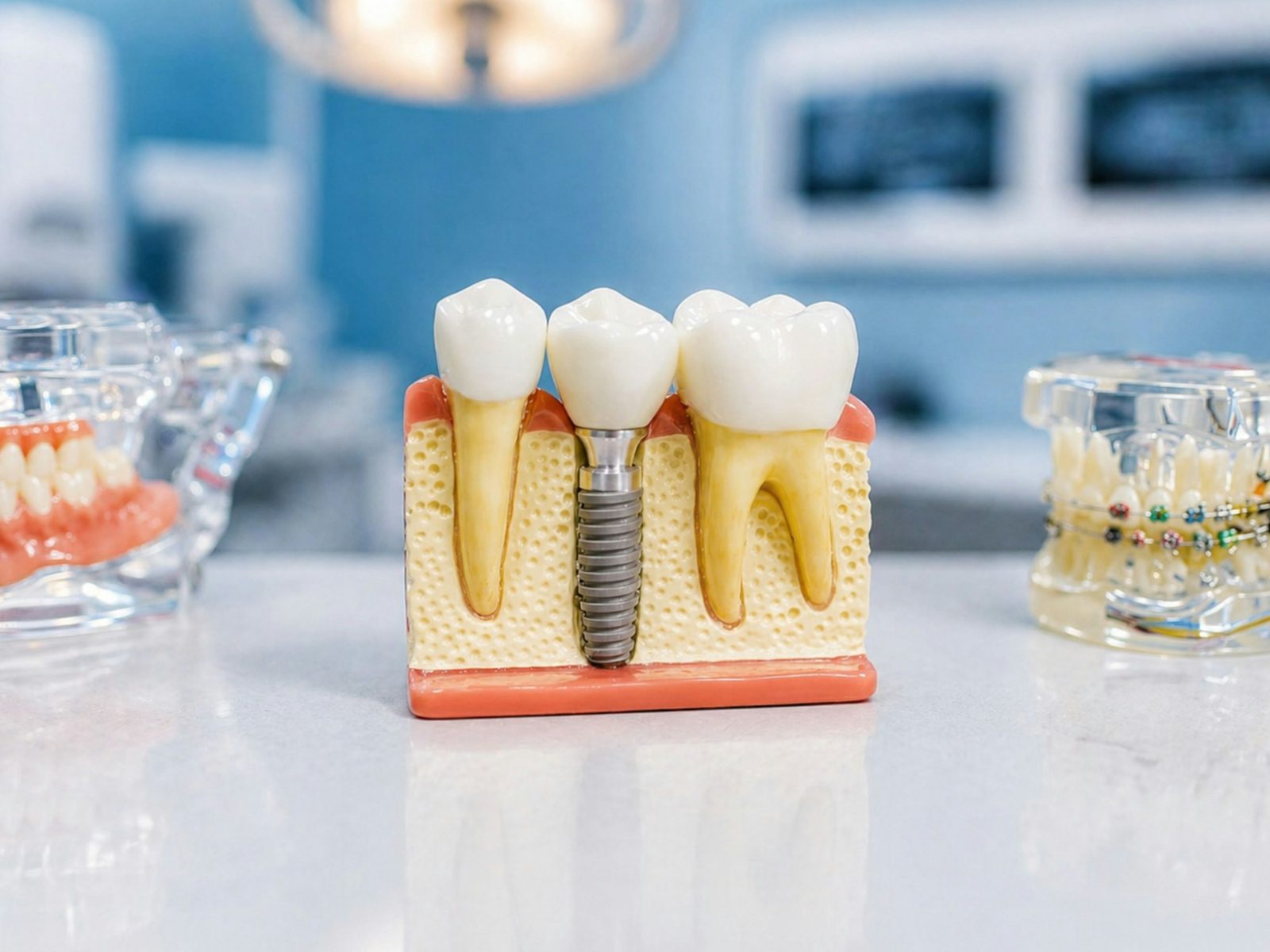
Explore tooth replacement options for different stages of tooth loss. From replacing a single missing tooth to restoring an entire arch, the contractor can explain which implant treatment may suit your oral health and everyday needs.
Understand implant placement, healing, restoration and the factors that influence your individual treatment plan.
Learn more →Explore fixed full-arch tooth replacement supported by strategically positioned dental implants.
Learn more →Replace an individual missing tooth with an implant-supported crown designed around your natural smile.
Learn more →Explore removable dentures that connect to dental implants for improved retention and stability.
Learn more →Replace several missing teeth using a fixed dental bridge supported by appropriately positioned implants.
Learn more →Our primary service area is Glendale, Arizona, including communities around Arrowhead Ranch, Westgate, the Historic Downtown district and neighborhoods near Thunderbird Conservation Park. We also accept requests from surrounding communities throughout the western and northern Phoenix metropolitan area.
Residents of Peoria, Surprise, West Phoenix, North Phoenix and Sun City can use our service to explore dental implant treatment closer to home. Each community has different transportation needs, household schedules and healthcare considerations, making convenient appointment planning particularly important.
Dental implant treatment can involve several visits over an extended period. When discussing your request with the contractor, ask where evaluations, imaging, surgery and follow-up appointments would take place. Understanding these details early can help you plan transportation and time away from your regular activities.
If you live in Glendale or one of the surrounding communities and want to learn more about replacing missing teeth, start by submitting your request.
See all service areas
Our service concentrates on implant-related tooth replacement rather than general dental services. This helps keep your initial request focused on the treatment you want to explore.
We help connect residents with independent dental providers serving the greater Phoenix area. Appointment locations and availability are discussed directly with the contractor.
You can submit a request whether you need one replacement tooth or are considering a complete arch restoration. The contractor determines which options are clinically appropriate.
You do not need to understand every implant system before getting started. Share your main concerns and allow the contractor to explain the next steps.
A dental implant is a small artificial tooth root placed into the jawbone. It is commonly made from titanium, although other materials may be available in certain circumstances. Once the implant has integrated sufficiently with the surrounding bone, it can support a replacement tooth, bridge or denture. Unlike conventional removable dentures, implants gain their support from within the jaw rather than relying entirely on the gums.
The process generally begins with a dental examination. The contractor may review your medical history, examine your gums and remaining teeth, and arrange imaging to understand the shape and condition of your jawbone. Three-dimensional imaging may be recommended when additional anatomical information is needed for treatment planning. This stage helps identify whether implants can be placed safely and whether additional procedures should be considered first.
Some patients need a damaged tooth removed before receiving an implant. Others may require treatment for gum disease or bone grafting to improve the foundation available for implant placement. These preparatory procedures can affect the overall treatment schedule. In selected cases, an implant may be placed during the same appointment as a tooth extraction, but this is not suitable for everyone.
During implant placement, the dental professional positions the implant within the jawbone using an individualized surgical plan. Local anesthesia is commonly used, and additional sedation options may be discussed when appropriate. The implant then needs time to integrate with the bone through a process called osseointegration.
The final restoration is designed around the patient's bite, appearance and functional needs. Depending on the treatment plan, a temporary restoration may be available while healing takes place. A temporary tooth should not be confused with a completed permanent restoration.
Regular follow-up appointments allow the dental provider to monitor healing, check the bite and explain long-term maintenance. Understanding each stage before beginning treatment can help you prepare for the practical demands of the process.
People begin researching dental implants for many different reasons. Some have recently lost a tooth because of an injury or extensive decay. Others have lived with missing teeth for years and are becoming increasingly frustrated with the limitations. There is no single experience that determines when someone should explore implant treatment.
Difficulty chewing is one common reason to arrange an evaluation. Missing back teeth can make certain foods harder to manage, while missing front teeth may interfere with biting into sandwiches, fruit or other everyday meals. People sometimes compensate by chewing on one side of the mouth, which can change how forces are distributed across their remaining teeth.
A removable denture that no longer fits comfortably may also prompt questions about implants. Jawbone and gum contours can change over time, affecting how a denture sits. Movement during conversation or eating can become inconvenient, and repeated adjustments may be necessary. Implant-supported dentures may offer improved retention for suitable patients.
Another consideration is the gradual loss of bone that can occur after teeth are removed. Natural tooth roots normally transfer chewing forces into the jawbone. When a root is absent, the surrounding bone may gradually change in shape and volume. Implant treatment can help maintain bone around an appropriately functioning implant, although it cannot prevent every form of bone loss.
Not every damaged tooth needs to be extracted. A dental professional may determine that a natural tooth can still be preserved through another treatment. Keeping a healthy, maintainable natural tooth is often preferable to replacing it unnecessarily.
Persistent swelling, severe dental pain, fever or drainage from the gums should receive prompt professional attention rather than waiting for a routine implant consultation. Difficulty breathing or swallowing associated with facial swelling requires emergency medical care.
If your concern is primarily missing teeth, an evaluation can clarify whether implants, a conventional bridge, removable dentures or another approach would be appropriate for your circumstances.
Dental implant treatment involves more than purchasing a replacement tooth. The overall treatment requirements depend on the condition of the mouth, the number of missing teeth, the type of restoration and the procedures necessary to establish a healthy foundation. Understanding these factors makes it easier to compare treatment proposals without relying on an incomplete headline offer.
The number of implants is one consideration. A single missing tooth may require one implant and an individual crown. Several adjacent missing teeth might be restored with an implant-supported bridge, while an entire arch could require multiple implants supporting a larger prosthesis. The complexity of these restorations differs considerably.
Bone availability also affects treatment planning. A patient with adequate bone may be able to proceed without grafting, while someone with substantial bone loss could need additional preparation. In the upper jaw, the position of the sinus may influence whether a sinus augmentation procedure is considered. Existing infections and gum disease can introduce further treatment requirements.
The restoration itself is another important factor. Replacement teeth may be made using different materials, and full-arch restorations can vary in their construction and design. Temporary teeth, laboratory work, customized connecting components and the final prosthesis may be included differently in individual treatment proposals.
Anesthesia and sedation requirements should also be discussed. The appropriate approach depends on the procedure, medical considerations and the patient's comfort needs. Follow-up examinations and ongoing maintenance may be handled separately from the initial treatment agreement.
Before accepting a proposal, ask the contractor to explain exactly what is included. Find out whether examinations, imaging, extractions, grafting, temporary restorations and final teeth are covered by the proposed treatment. Ask what circumstances could change the plan after treatment begins.
Insurance benefits and financing arrangements vary between patients and providers. Confirm coverage with your insurer and review any financing terms independently. A detailed written treatment plan provides a more useful basis for comparison than an isolated promotional figure.

Living in Glendale means dealing with extended periods of intense heat, dry outdoor air and seasonal changes that can influence everyday routines. Although the Arizona climate does not determine whether someone qualifies for dental implants, it is worth considering when planning appointments and recovering from oral surgery.
Staying adequately hydrated is especially important during the warmer months. After implant surgery, some patients find that swelling, tenderness or changes in eating habits make their normal fluid intake more difficult. Follow the dental provider's instructions regarding drinking, eating and medication, and discuss any medical restrictions that affect hydration.
People who work outdoors, spend time on golf courses or regularly exercise in the desert should ask when it is appropriate to resume strenuous activity. Physical exertion immediately after surgery may interfere with early healing or increase bleeding. The appropriate recovery period depends on the procedure and the individual's health rather than the season alone.
Dry mouth is another concern worth mentioning during an implant evaluation. Certain medications, medical conditions and dehydration can contribute to reduced saliva. Saliva helps protect oral tissues and supports everyday oral comfort. Persistent dryness should be evaluated because it can affect the health of remaining teeth and the tissues surrounding implant restorations.
Transportation deserves attention as well. Residents traveling from northern Glendale neighborhoods or the Westgate area may need to coordinate a ride if sedation is planned. Driving after certain forms of sedation is unsafe, and the dental provider may require a responsible adult to accompany the patient.
Seasonal travel can complicate longer treatment plans. People who divide their time between Arizona and another state should discuss healing intervals and follow-up requirements before scheduling surgery. Interrupting essential monitoring may create avoidable difficulties.
Preparing a comfortable indoor recovery space, arranging appropriate meals and keeping the dental provider's postoperative contact information available can make the first days after treatment easier to manage. Ask for written instructions tailored to your specific procedure.
Choosing someone to perform dental implant treatment is an important healthcare decision. Implants involve surgical planning, restorative dentistry and long-term maintenance, so it is reasonable to ask detailed questions before agreeing to a procedure. The goal is to understand who will be responsible for your care and how the proposed treatment addresses your individual needs.
Begin by confirming the identity of the dental professional who would perform the surgery. Arizona dental licenses can be checked through the Arizona State Board of Dental Examiners. You may also want to ask about relevant implant training, experience with cases similar to yours and whether different professionals will handle the surgical and restorative stages.
Ask how the provider evaluates bone structure and nearby anatomical features. A thoughtful treatment plan should consider the location of nerves, sinuses, remaining teeth and supporting tissues. Imaging requirements depend on the circumstances, but the professional should be able to explain why particular diagnostic methods are recommended.
Discuss alternatives rather than assuming implants are the only acceptable solution. A conventional bridge, removable partial denture or complete denture may be appropriate for certain patients. Medical conditions, medication use and personal preferences can affect the suitability of surgery.
It is also important to understand the risks. Dental implant complications can include infection, failure to integrate with the bone, nerve injury, gum inflammation and problems with restorative components. Ask how the provider would address complications and who would be available if concerns arise after treatment.
Review the proposed restoration carefully. Find out whether the replacement teeth will be fixed or removable, how they should be cleaned and what repairs or adjustments might be necessary over time. These practical considerations can influence daily satisfaction with the result.
A consultation should provide enough information for you to make an informed choice without unnecessary pressure. Consider seeking another professional opinion if you remain uncertain about a recommendation, particularly when extensive extractions or full-mouth reconstruction are proposed.
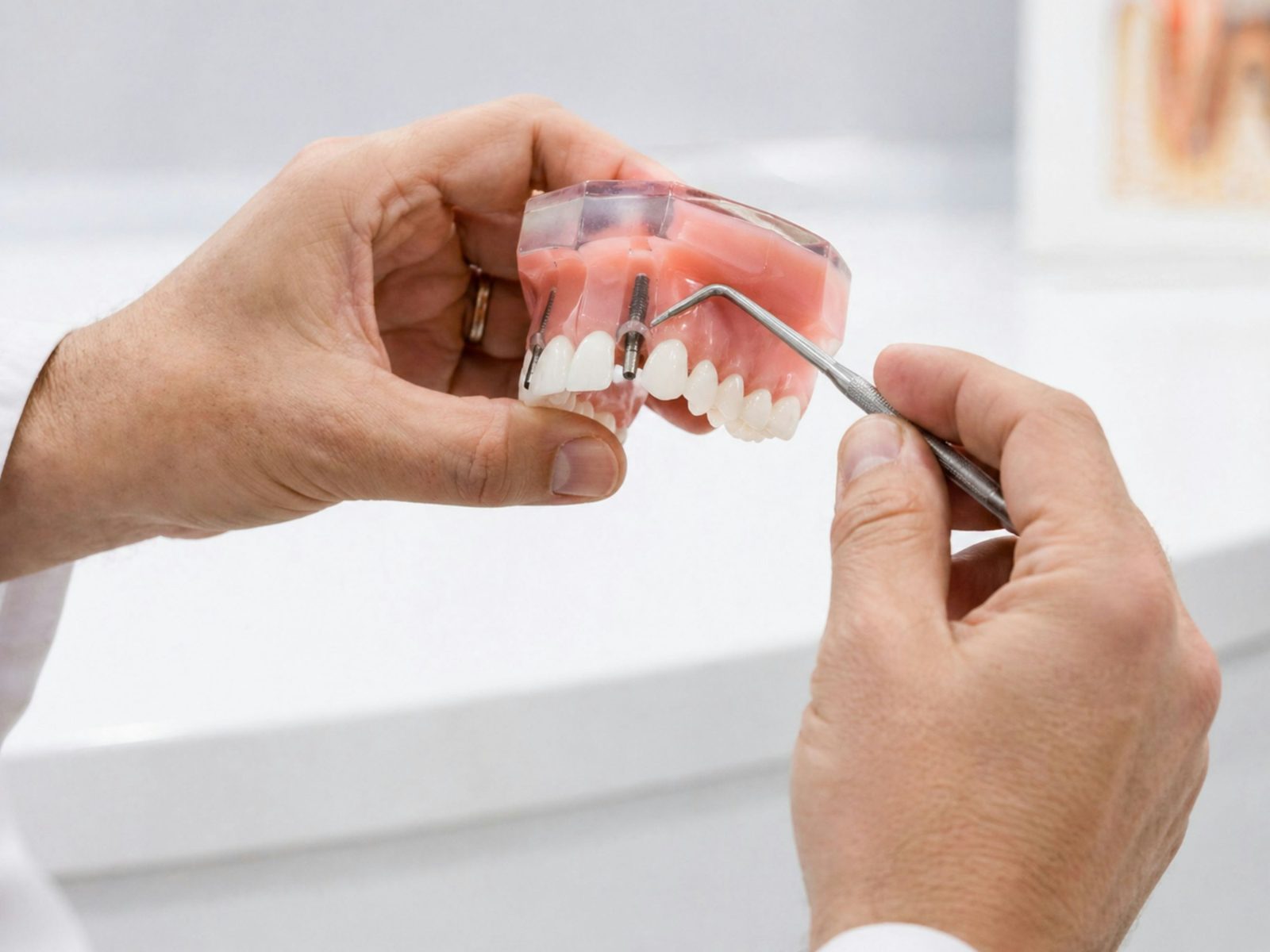
Dental implants are designed to provide long-term support for replacement teeth, but they still require consistent care. An implant itself cannot develop a cavity like a natural tooth. However, the gums and bone surrounding it remain vulnerable to inflammation, infection and other complications. Good maintenance is an essential part of protecting the restoration.
Daily cleaning requirements depend on the type of implant-supported teeth you receive. A single implant crown may be maintained using brushing and appropriate interdental cleaning methods. A full-arch fixed restoration can require specialized brushes, flossing aids or other tools to reach beneath the replacement teeth. Removable implant dentures have their own cleaning and storage requirements.
The dental provider should demonstrate how to clean your specific restoration rather than expecting you to figure it out independently. Ask which products are appropriate and whether any cleaning methods could damage the materials or irritate surrounding tissues.
Routine professional examinations remain important even when all natural teeth have been replaced. These appointments allow the provider to assess gum health, examine restorative components and identify changes that may not be immediately noticeable at home. Imaging may be recommended periodically depending on clinical findings.
People who grind or clench their teeth should discuss how these habits could affect implant restorations. Excessive forces can contribute to damage involving crowns, screws or other components. A protective appliance may be considered when appropriate.
Smoking and poorly controlled medical conditions can increase certain implant-related risks. Discuss these factors openly with the treating professional so that recommendations reflect your actual health circumstances. Do not discontinue prescribed medication without guidance from the clinician responsible for it.
Contact your dental provider if an implant restoration becomes loose, uncomfortable or difficult to clean. Bleeding, persistent swelling and changes in your bite also deserve attention. Early assessment may help prevent a manageable concern from developing into a more complicated problem.
For Glendale residents considering implants, the treatment decision should include a realistic understanding of ongoing care. A replacement tooth is part of a living oral environment, not a maintenance-free appliance.
glendaleazdentalimplants.com does not do the dental implants work itself. When you call or send the form, we pass your request to an independent local contractor who covers your part of Phoenix. That contractor contacts you, gives you the estimate and does the work.
See what happens after you call
You can submit a request through glendaleazdentalimplants.com to connect with an independent local dental implant provider. The contractor can discuss appointment availability and arrange an appropriate evaluation.
Long-standing tooth loss does not automatically prevent implant treatment. The dental provider will need to assess bone volume, gum health and other factors to determine whether additional preparation is necessary.
Implants may provide improved stability and chewing function for suitable patients. Traditional dentures remain a reasonable option for people who prefer removable teeth or are not appropriate candidates for implant surgery.
Most implant treatment involves multiple appointments for evaluation, placement, healing and restoration. The exact schedule depends on the procedures required and how your mouth responds to treatment.
Yes. An initial evaluation is an opportunity to discuss your concerns, review possible treatments and understand their risks before making a decision.
Ready to explore your tooth replacement options? Submit your request and connect with an independent dental implant provider serving Glendale.
Free — no obligations